Responsive Social Media Banner Assets & Design Framework for Omni HR Consulting
Omni HR Consulting
Project Overview
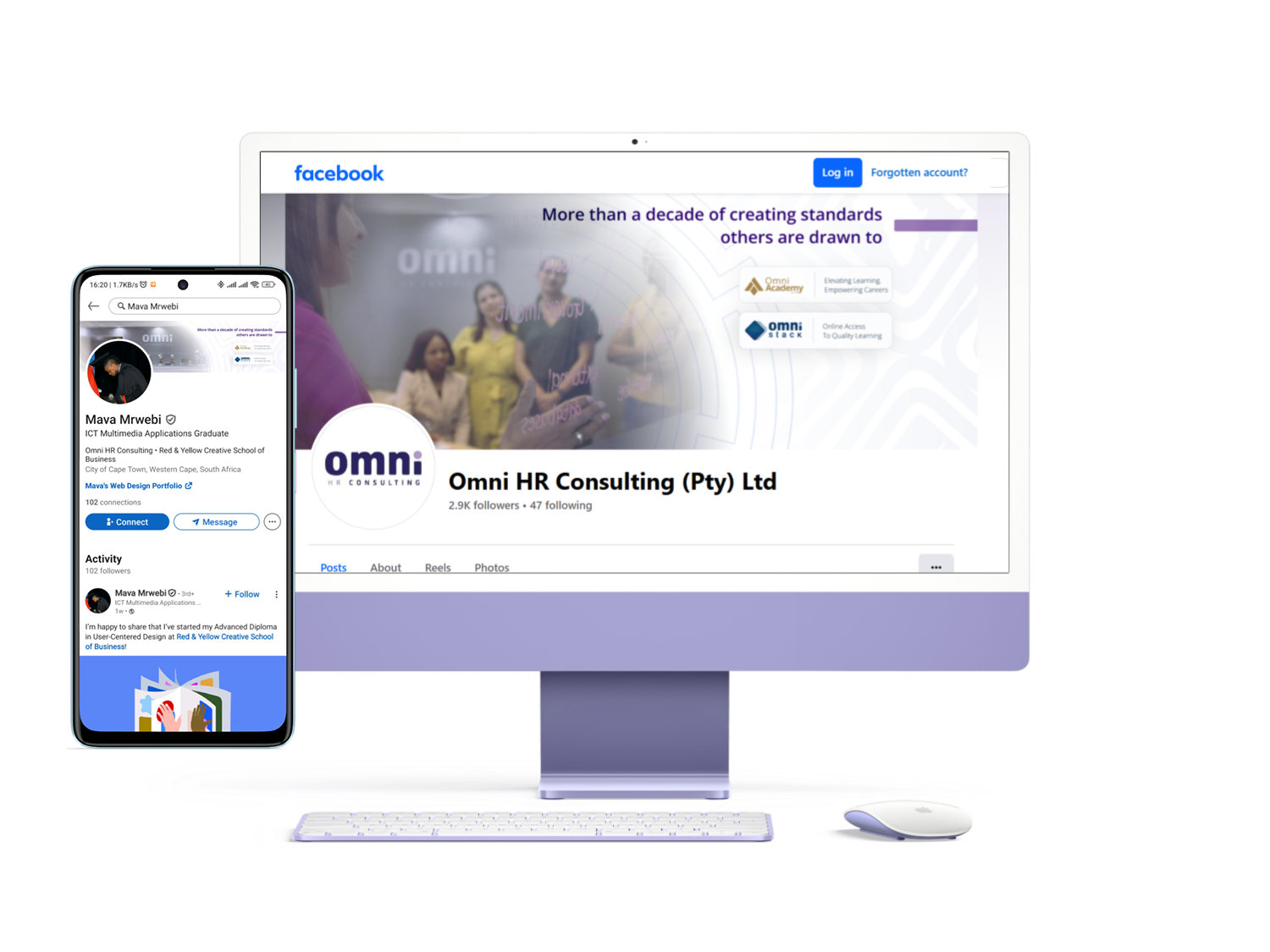
I was tasked with designing a suite of social media banners for Omni HR Consulting. The goal was to create high-impact visuals that adhered to specific messaging requirements while remaining functional across diverse platforms like LinkedIn, Facebook, and X (formerly Twitter).

Contributions
15 Years Anniversary Banner - 2024
- Creative Sourcing: Sourced and modified vector assets and generated custom AI imagery to establish the dynamic visual tone.
- Responsive Framing: Utilized and refined Figma community safe-zone templates to ensure vital information was never obscured by platform UI or profile pictures across desktop and mobile.
- Stakeholder Buy-In: Developed high-fidelity mockups in Figma to demonstrate real-world appearance to the team before final asset export.
.png)
Social Media Banner Update - 2025
- Image Editing: Professionally edited, "chopped," and blended existing legacy office photography to create an authentic brand narrative without needing a new photoshoot.
- Logo Integration: Strategically utilized imagery where the company logo was prominent, ensuring brand recognition was locked to the platform profile picture’s position.
- Contextual Imagery: Selected "active office" scenes for the company banner and "professional solo" office imagery for personal team member banners to maximize impact.
.png)
- Standardized Template Provision: Sourced, adjusted and provided a repeatable template for future social media banners.
- Brand Strategy Alignment: Translated stakeholders’ brief and visual preferences into a cohesive and inspiring digital asset that aligned with the brands ordeals, outlook and integrity.
- Quality Control: Validated all assets against real-time UI updates for major platforms like Facebook and X (formerly Twitter) to ensure long-term stability.
Project Deep-Dive
Problem Statement
Social media banners often suffer from "contextual breakage"—where critical information or brand imagery is obscured by profile pictures, UI buttons, or varying screen dimensions.
- Fragmentation: Different platforms require unique safe zones and aspect ratios.
- Inconsistency: Previous assets didn't account for how desktop vs. mobile layouts shift, leading to cropped text or hidden logos.
- Redundancy: Creating assets from scratch for every platform was time-inefficient for the design team.
My Process
I approached this as a structural problem rather than just a visual one:
- Framework Development: Sourced and refined responsive social media guidelines from the Figma community to establish "Safe Zone" overlays for every major platform and at key device sizes.
- Asset Auditing: I updated these guides to account for recent UI changes (e.g., Facebook’s shifting profile picture alignment and X’s dimension updates).
- Contextual Variation: Designed two distinct visual directions:
- Corporate Identity: Using an "empty office" motif with a prominent logo for personal professional profiles.
- Active Engagement: Using "facilitator-led classroom" imagery for the company page to emphasize the human element of HR consulting.
- Stakeholder Alignment: Utilized high-fidelity mockups within Figma to demonstrate to stakeholders exactly how the banners would appear "in the wild" before export.
Solutions
I delivered a "Responsive Banner Kit" that prioritized both aesthetics and accessibility:
- Dynamic Layouts: Created slight layout variations that used the "shape" of the design to lead the eye toward the platform’s profile picture, integrating the UI into the design rather than fighting it.
- Standardized Figma Library: Organized the project with clear naming conventions and reusable components, making the templates easily accessible for future team use.
- Strategic Visual Hierarchy: Ensured that the primary value proposition remained centered and legible, regardless of how a platform might crop the edges on mobile devices.
Outcomes
The project provided immediate value and long-term utility for the Omni brand:
- Process Optimization: The second phase of this project (8 months later) was completed significantly faster due to the robust template system established in phase one.
- Brand Expansion: The stakeholders were so impressed with the visual direction that they requested the "banner DNA" be applied to other corporate assets, including letterheads and email signatures.
- Team Enablement: The Figma guides remain a live resource for the wider design team, reducing the margin for error on all banner designs for future social media campaigns.
Challenges & Outtakes
- The "Evergreen" Challenge: This project taught me that digital guidelines are never static. I learned the importance of verifying platform specifications regularly, as even a 10px shift in a profile picture's position can ruin a layout.
- Efficiency vs. Perfection: I realized that front-loading the "boring" work (setting up guides and grids) saves hours of revision time during the feedback loop.
- Design as a System: This was a pivotal moment in my workflow where I stopped viewing designs as "single files" and started viewing them as part of a scalable brand ecosystem.
More Projects
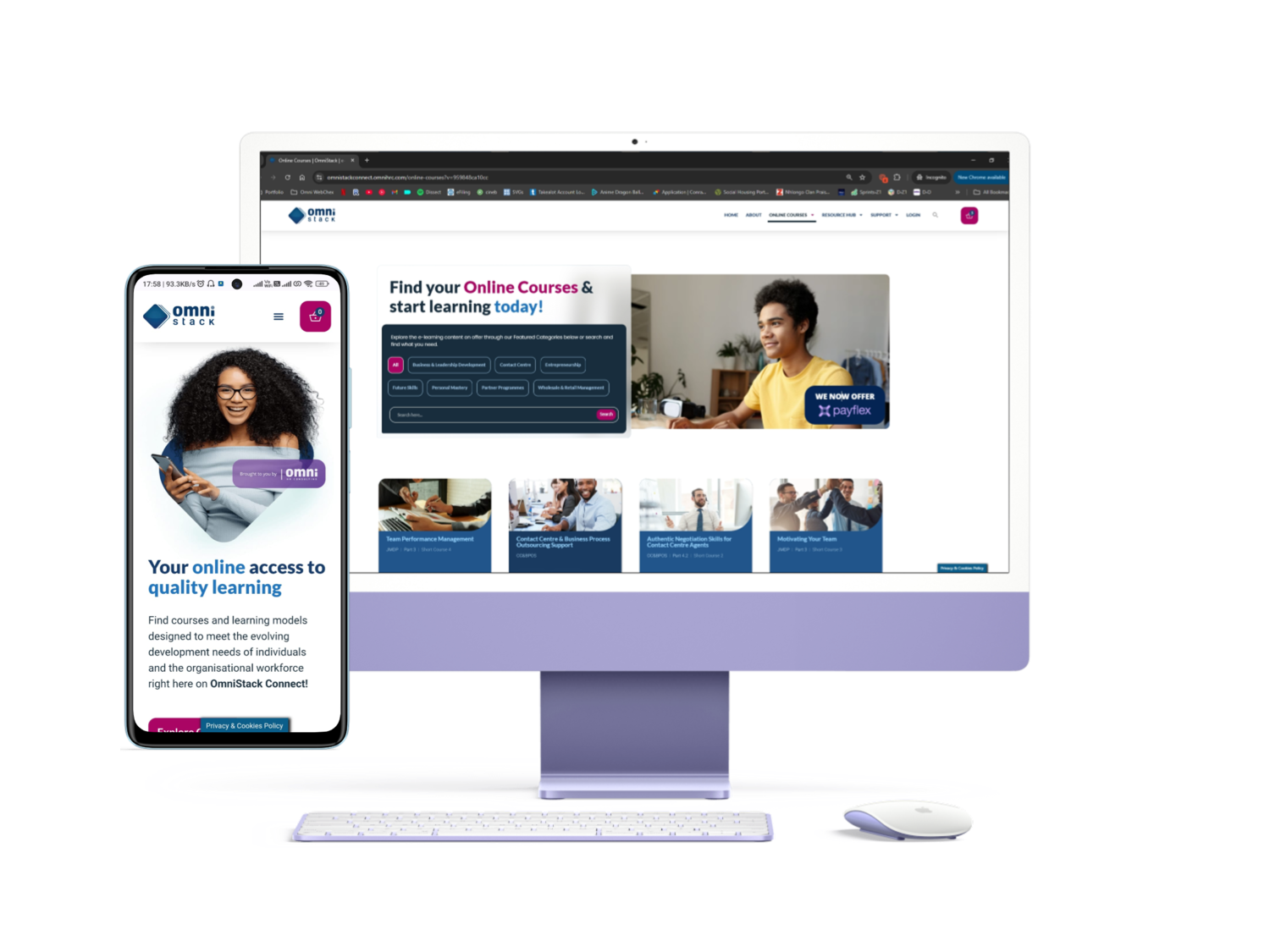
OmniStack Connect 2.0 Project
Featured
A comprehensive overhaul of the OmniStack e-learning storefront, introducing a modern design language and a restructured product architecture to align with the brand’s future-facing value proposition.
Figma
WordPress
WooCommerce
Elementor
Advanced Custom Fields

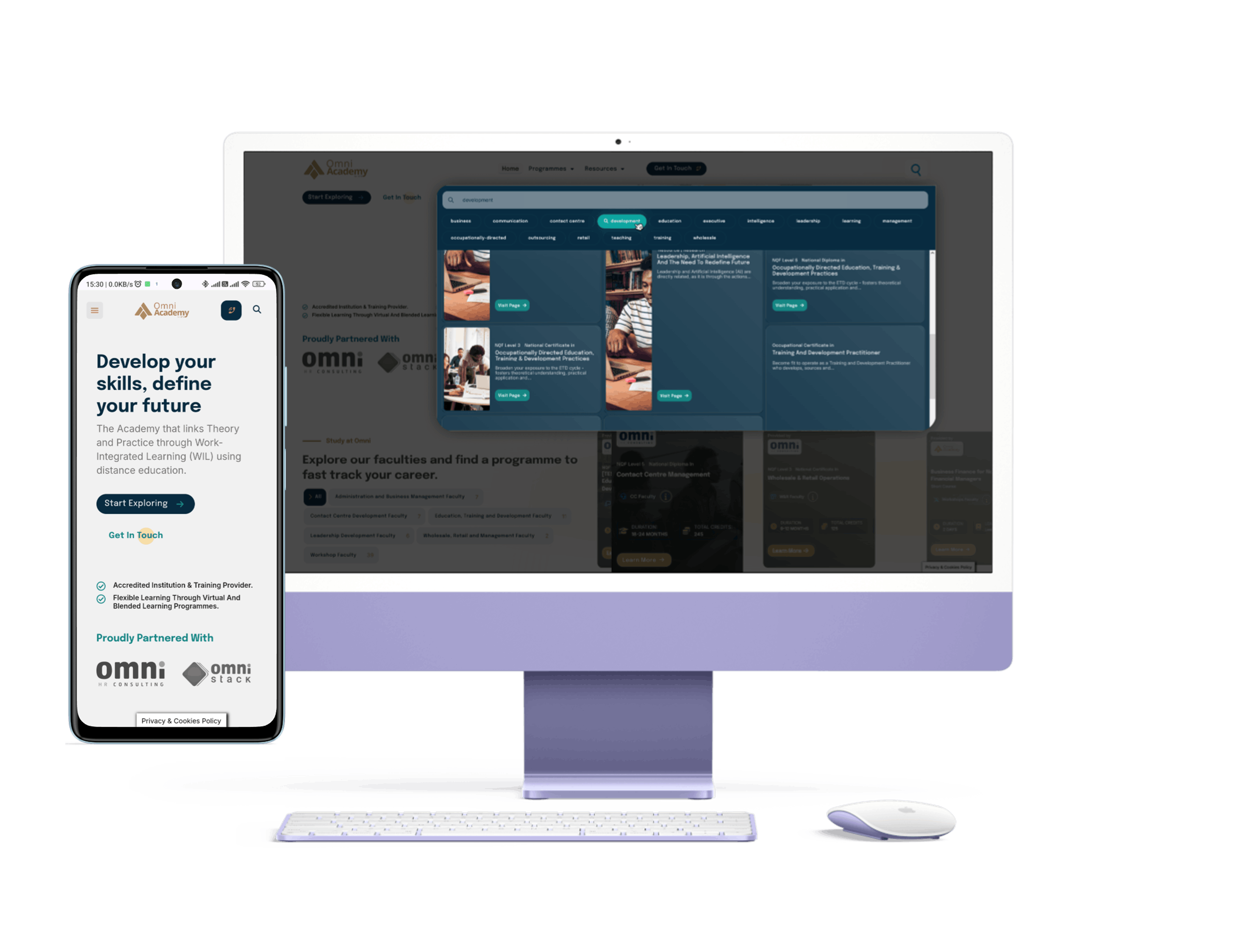
Omni Academy Website IA Structure & Theme Set-Up
A future-proof digital foundation for the Omni Academy, focused on a robust Information Architecture (IA) and a high-performance, responsive design system built for long-term scalability.
Figma
WordPress
WooCommerce
Elementor
Advanced Custom Fields

Strategic Website Migration & Brand Realignment
A multi-phased digital transition and brand reorganization, migrating legacy systems to a scalable architecture while mentored a junior team to ensure operational continuity and improved user data integrity.
Figma
WordPress
WooCommerce
Elementor
Advanced Custom Fields
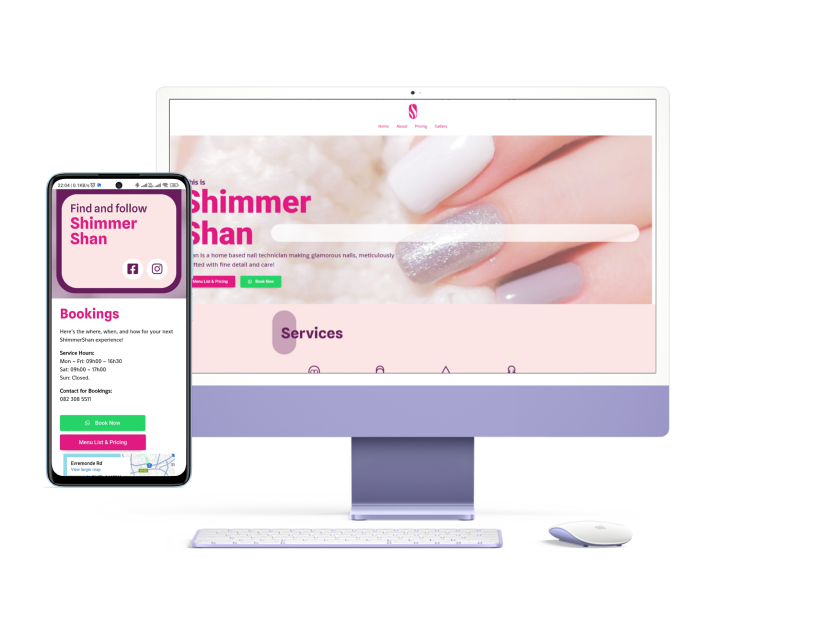
ShimmerShan Website
The debut solo design and development of a bespoke web presence for a professional nail technician, transitioning the brand from social media-only to a dedicated, professional storefront.