Strategic Website Migration & Brand Realignment
Omni HR Consulting
Project Overview
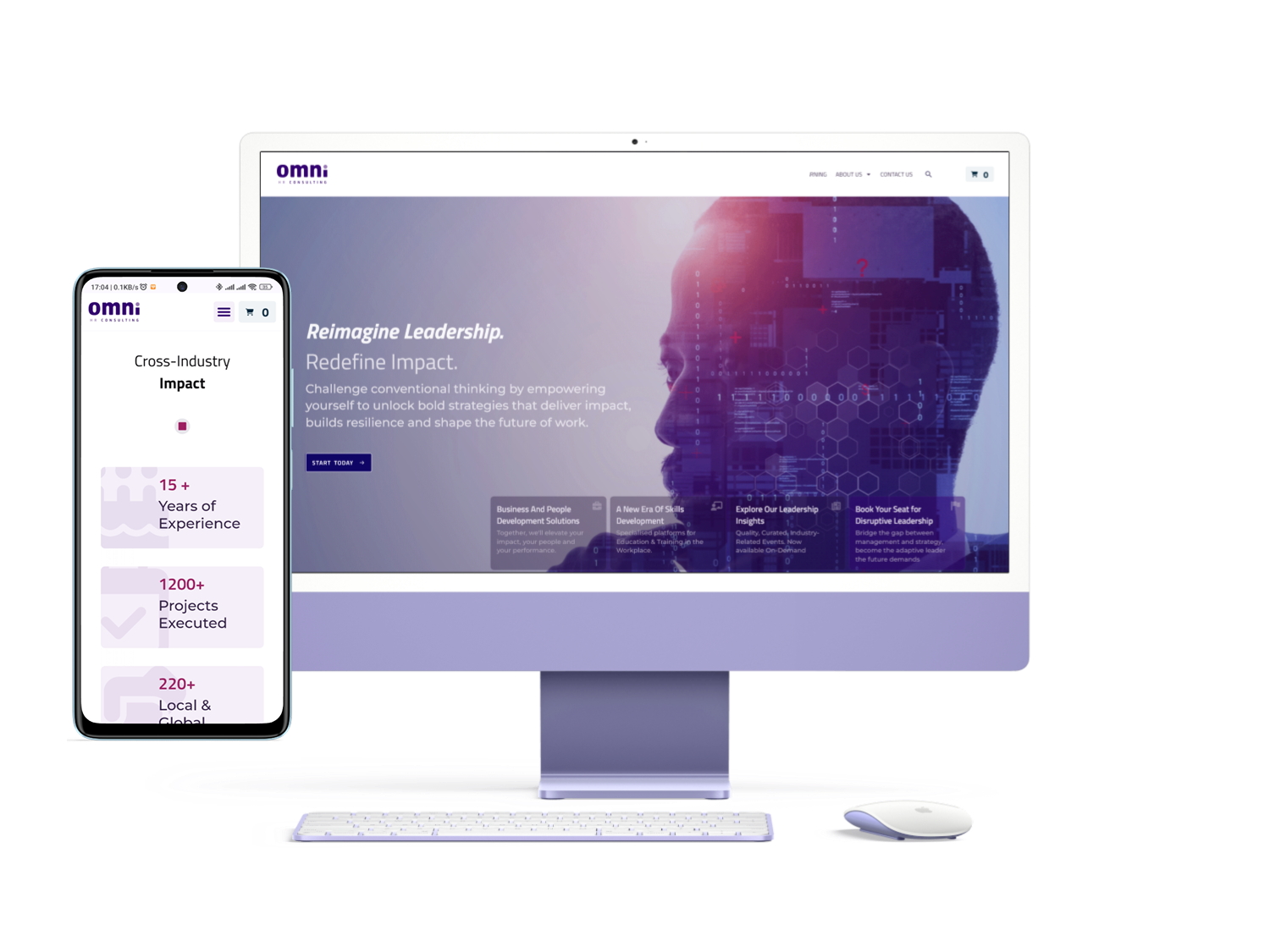
I spearheaded the technical and structural transition of the Omni HR Consulting website during a major company-wide brand reorganization. The goal was to consolidate fragmented web properties into a unified, scalable system without disrupting service for established clients.

Contributions
- System Auditing: Conducted comprehensive research and documented site-wide dependencies using FigJam to map the transition from legacy systems.
- Blueprint Development: Created structural "Design Blueprints" and low-fidelity wireframes to provide a clear roadmap for the team during the brand reorganization.
- Interactive Mock-ups: Developed high-fidelity Figma mock-ups to visualize the brand’s new direction and gather stakeholder feedback early in the migration process.
- Information Architecture: Redefined the site’s hierarchy to ensure users were funneled to the correct sub-brands and services post-transition.
- Custom Component Building: Developed bespoke web components and widgets using Unlimited Elements Widget Creator, extending the site’s functionality beyond standard plugin limits.
- Dynamic Templating: Re-engineered the site’s structural foundation using Elementor Theme Builder and ACF (Advanced Custom Fields) for a more scalable content management experience.
- Integration & Automation: Led the technical setup of complex web forms, utilizing Zoho Flow to ensure seamless lead data synchronization with the Zoho CRM.
- Quality Assurance: Conducted rigorous quality testing on all forms and user touchpoints to ensure data integrity during the cross-platform transition.
- Documentation Lead: Spearheaded the documentation of all site forms, plugin audits, and third-party tools to eliminate "technical debt" and assist future team members.
- Cross-Departmental Liaison: Acted as the primary bridge between the design, marketing, and sales departments to align digital forms with business lead-generation goals.
- Resource Management: Managed the distribution of exploratory tasks to intern team members, balancing project momentum with active mentorship and Work Integrated Learning (WIL) support.
Project Deep-Dive
Problem Statement
The transition faced significant "under-the-hood" complexity that threatened the project's success:
- Legacy Dependencies: Critical business tools were integrated into the old site without clear documentation, risking total system failure during migration.
- Stakeholder Alignment: Cross-departmental communication gaps led to a lack of clarity regarding how the brand refresh would impact existing user workflows.
- Resource Constraints: A lean team with varying skill levels necessitated a strategy that balanced high-level technical execution with active mentorship.
- User Retention: The "excitement of the new" risked alienating long-term users who relied on the platform’s established functionality.
My Process
I implemented a "Documentation-First" approach to mitigate risk:
- Technical Audit: Conducted a comprehensive audit of all current tools, plugins, and third-party dependencies to map out a safe migration path.
- Phased Roadmap: Developed an incremental update strategy to allow for testing and refinement at each stage rather than a "big bang" launch.
- Mentorship Framework: Structured tasks for interns that provided Work Integrated Learning (WIL) value, using their exploratory work to provide "launchpads" for senior developers to execute faster.
- Gap Analysis: Identified where wireframes and user models were incomplete, stepping in to bridge these gaps to maintain project momentum.
Solutions
I proposed and executed a Phased Overhaul that prioritized stability:
- Architectural Rebuild: Moved away from redundant, "black-box" tools in favor of transparent, documented systems that the team could actually manage.
- Feature Realignment: Restructured the site navigation so that users were naturally funneled to the correct tools on the correct domains, reducing support tickets and confusion.
- Centralized Documentation: Created a "Source of Truth" repository for all CMS tools and integrations to prevent future technical debt.
Outcomes
The transition resulted in a more professional, data-driven digital ecosystem:
- Operational Efficiency: Significant reduction in "unknown" technical dependencies and a streamlined WordPress back-end that the team can now scale independently.
- Team Growth: Interns successfully completed their WIL requirements with tangible contributions, while the core team benefited from the improved documentation and structure.
- Platform Viability: The site now supports incremental improvements without the fear of breaking legacy integrations.
Challenges & Outtakes
- Leadership vs. Execution: Managing a team while maintaining an operational focus was a major learning curve. I discovered that "leading" often means spending more time on clear communication than on executing designs and features on my own.
- Communication Gaps: I realized that presenting complex technical findings to non-technical stakeholders requires a higher level of conciseness and visual structure.
- Direct Inquiry: A key takeaway was the importance of "going to the source." I learned to bypass departmental silos to get information directly from the stakeholders giving direction and considering opportunities.
- Managing Scope Creep: Facing tight deadlines with incomplete assets and unclear directives taught me the value of ruthless prioritization—focusing on the "must-haves" to ensure a stable launch and ongoing communication cross-departmental communication.
More Projects
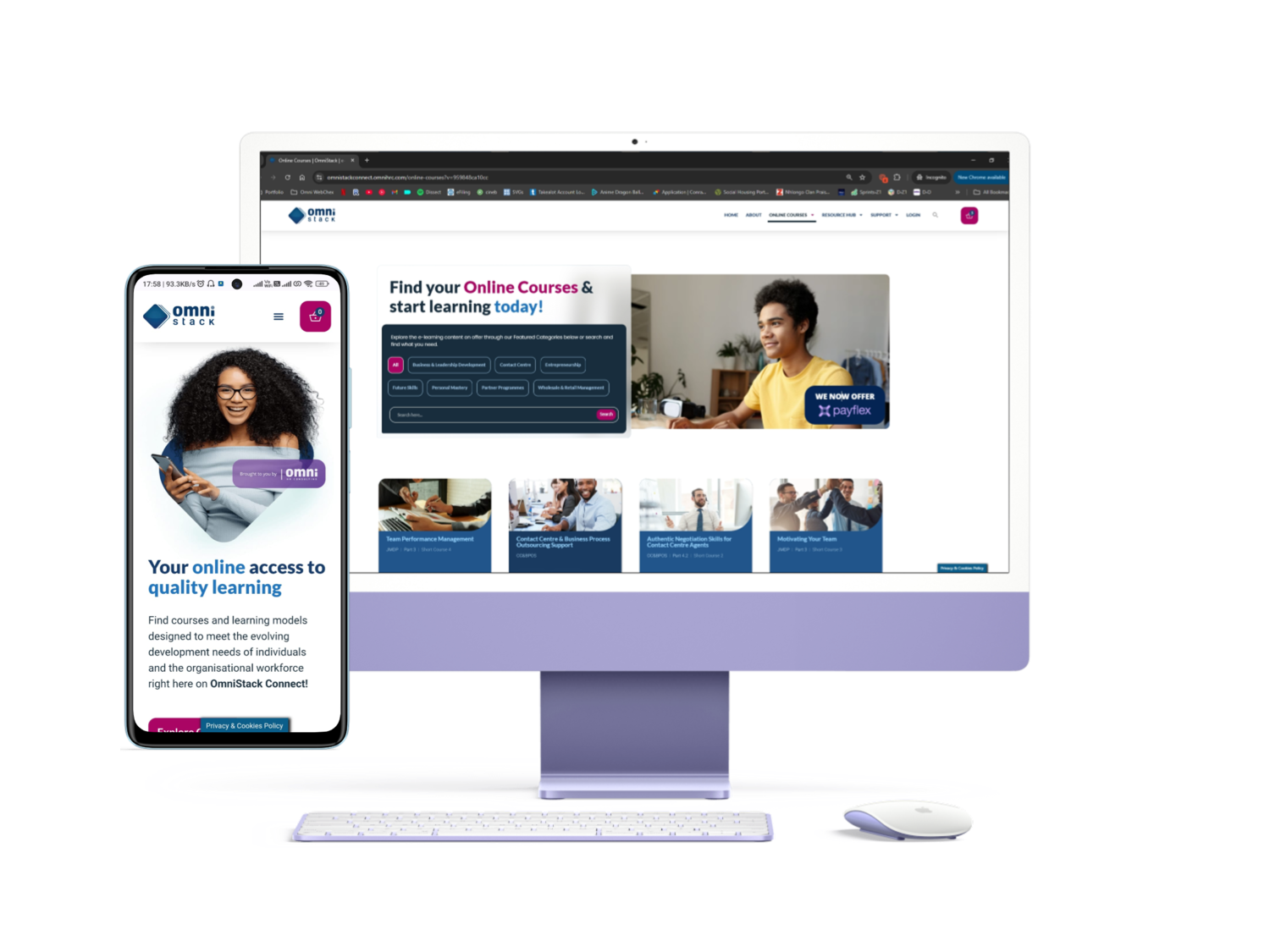
OmniStack Connect 2.0 Project
Featured
A comprehensive overhaul of the OmniStack e-learning storefront, introducing a modern design language and a restructured product architecture to align with the brand’s future-facing value proposition.
Figma
WordPress
WooCommerce
Elementor
Advanced Custom Fields

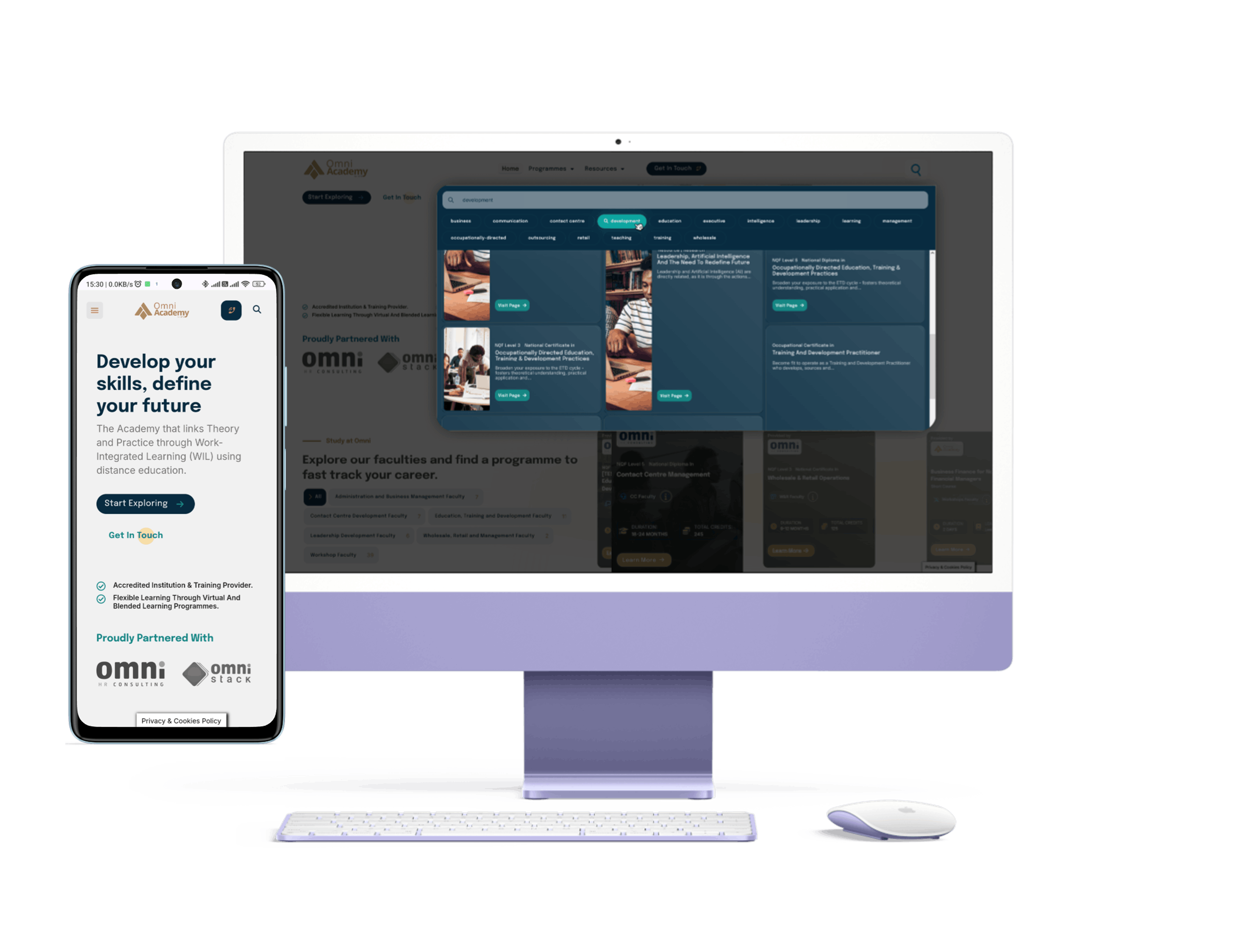
Omni Academy Website IA Structure & Theme Set-Up
A future-proof digital foundation for the Omni Academy, focused on a robust Information Architecture (IA) and a high-performance, responsive design system built for long-term scalability.
Figma
WordPress
WooCommerce
Elementor
Advanced Custom Fields
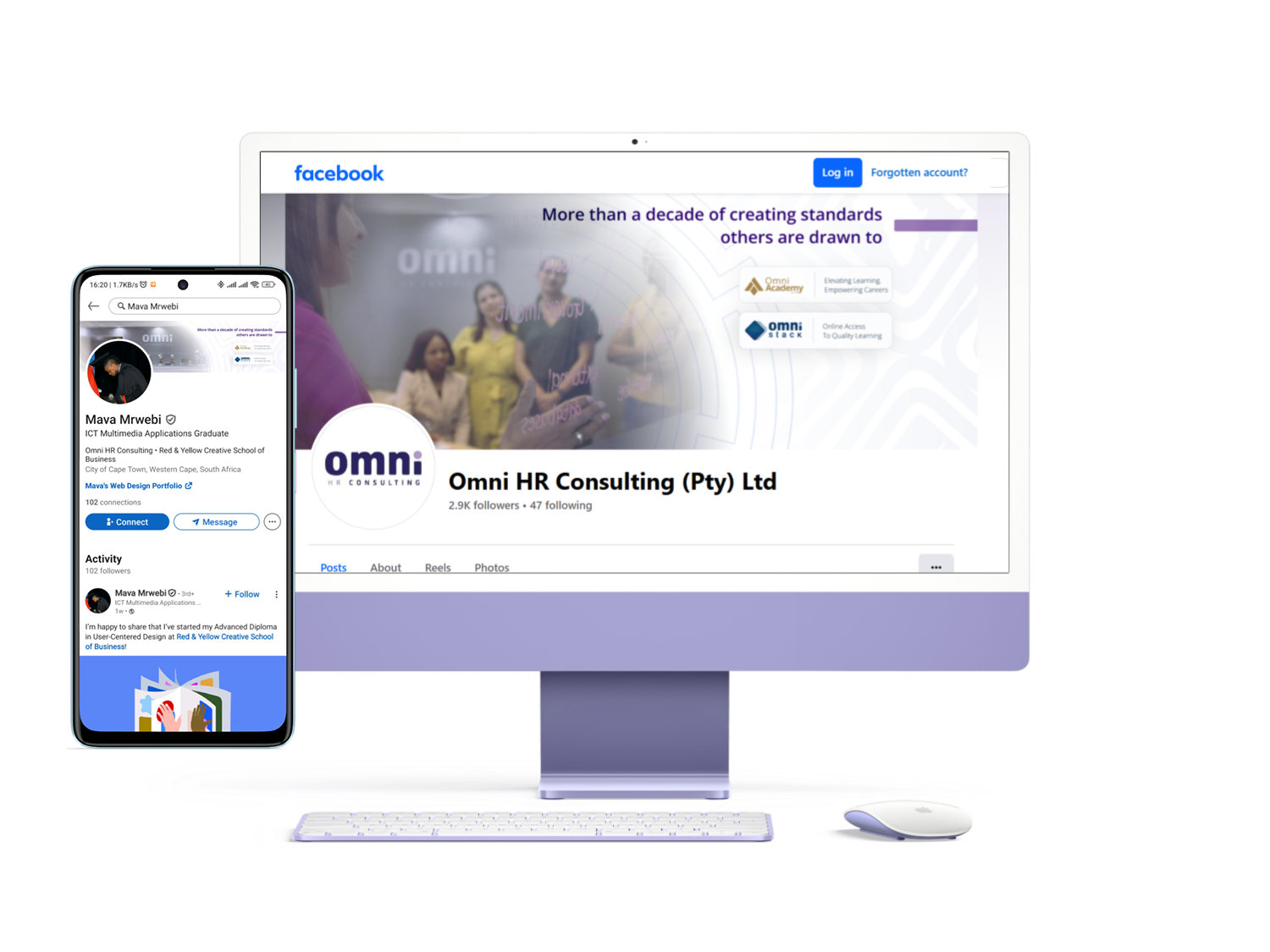
Responsive Social Media Banner Assets & Design Framework for Omni HR Consulting
A strategic design system for cross-platform social media assets, utilizing responsive guidelines and custom Figma templates to ensure brand consistency and visual integrity across all devices.
Figma
WordPress
WooCommerce
Elementor
Advanced Custom Fields
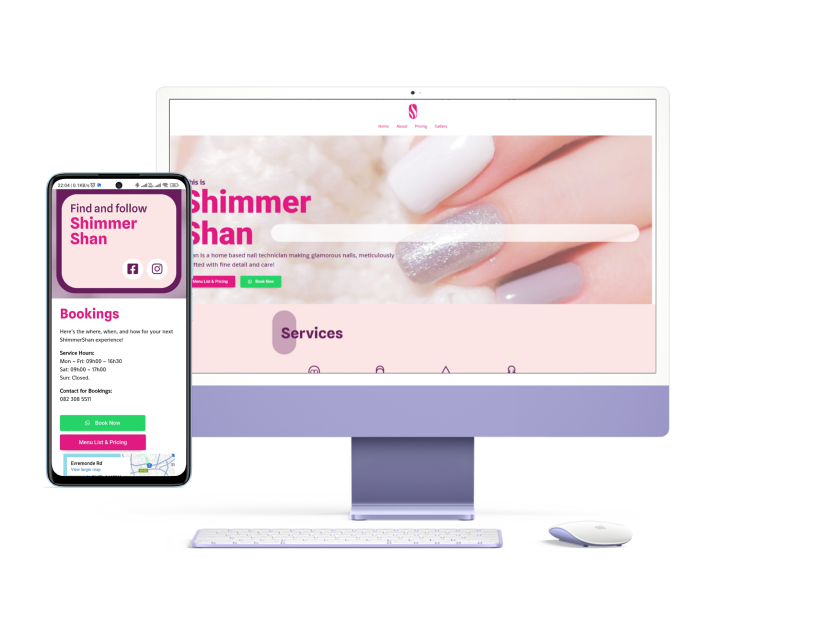
ShimmerShan Website
The debut solo design and development of a bespoke web presence for a professional nail technician, transitioning the brand from social media-only to a dedicated, professional storefront.